
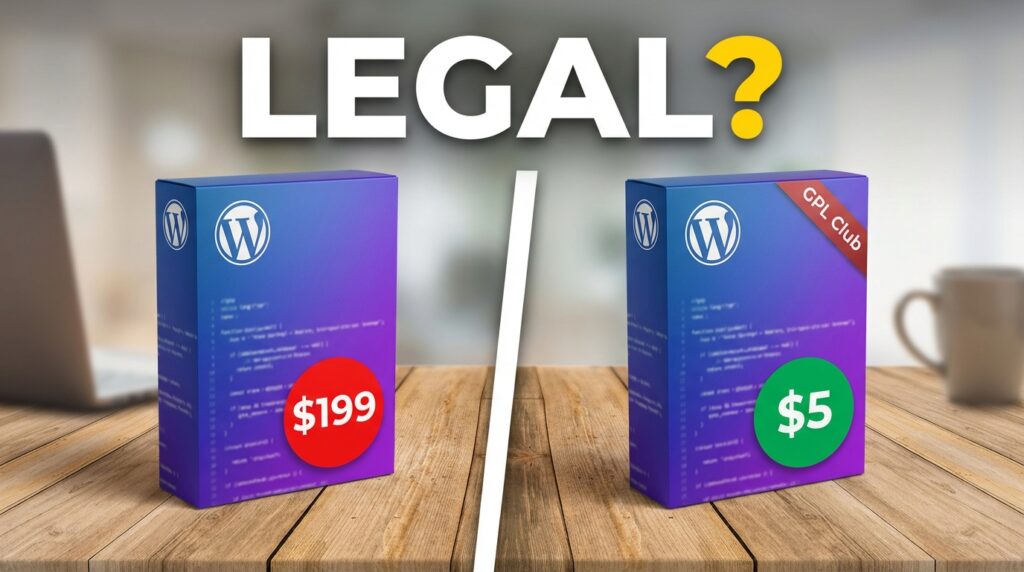

You’ve seen those “GPL clubs” selling premium WordPress plugins for $5 when the original costs $199. Your gut tells you something’s off, but the math is tempting. Before you click “buy,” you need to understand why this happens and whether it’ll come back to bite you.
The confusion stems from WordPress’s licensing model. Most software can’t be legally resold without permission, but WordPress operates differently. The GPL (General Public License) that powers WordPress creates a legal loophole that lets third parties redistribute premium themes and plugins at any price. But “legal” doesn’t always mean “safe” or “smart.”
Here’s what makes this situation unusual: WordPress itself requires all themes and plugins to adopt GPL licensing if they want to work with the core software. This creates a strange market where developers spend months building premium products, only to watch resellers offer the same code for pennies. Site owners benefit from cheap access, but they often don’t realize what they’re giving up.
Key Takeaways
- Understand why GPL licensing allows legal resale of premium WordPress products at drastically reduced prices
- Learn the difference between GPL and split licensing models that theme developers use
- Recognize the hidden risks of using GPL club downloads beyond just legal concerns
- Discover when cheap GPL plugins make sense and when they’ll cost you more in the long run
- Identify legitimate sources for discounted WordPress products that won’t compromise your site
What GPL Actually Means for WordPress Products
GPL stands for General Public License, a software license created by the Free Software Foundation. It guarantees users four essential freedoms: the right to run the program, study how it works, redistribute copies, and distribute modified versions.
WordPress adopted GPL version 2 (or later) as its core license. This wasn’t an arbitrary choice. Matt Mullenweg, WordPress’s co-founder, believed strongly in open-source principles. The GPL ensures WordPress remains free and modifiable by anyone.
Here’s where it gets interesting for themes and plugins. WordPress’s license specifically states that any code interacting with WordPress core functions must also be GPL-compatible. This requirement comes from how GPL works – if your plugin uses WordPress functions (which almost every plugin does), it’s considered a “derivative work” and must inherit GPL licensing.
The practical impact? A developer can’t create a proprietary, closed-source plugin for WordPress and legally restrict redistribution. They can sell it, charge whatever they want, but they can’t stop buyers from sharing it.
This creates tension in the WordPress ecosystem. Developers invest significant time and money building premium products. They want to profit from their work. But GPL licensing means anyone who purchases their plugin can legally turn around and redistribute it.
Not all developers agree with this interpretation. Some argue that only the PHP code (which directly calls WordPress functions) needs to be GPL, while JavaScript, CSS, and images can have different licenses. This approach is called “split licensing.”
Split Licensing: The Developer’s Workaround
Split licensing attempts to separate GPL-required code from proprietary assets. A theme developer might release their PHP files under GPL while keeping designs, images, and JavaScript under a different license.
The reasoning sounds logical. If CSS styling doesn’t directly call WordPress functions, why should it be GPL? Developers argue they’re only licensing the necessary PHP code under GPL while retaining rights to creative elements.
WordPress.org doesn’t accept this interpretation. Their theme and plugin directories require 100% GPL licensing for all components. If you submit a theme with split licensing, it gets rejected.
But developers aren’t required to use WordPress.org for distribution. They can sell directly from their websites using split licensing. Many commercial theme shops do exactly this.
The legal status of split licensing remains contested. WordPress’s official stance is clear – everything should be GPL. However, no major legal case has definitively settled whether split licensing violates GPL terms.
This ambiguity creates practical problems for site owners. If you buy a split-licensed theme, you might legally own the PHP code but not the design files. Redistributing that theme could expose you to copyright claims on the non-GPL portions.
Theme developers prefer split licensing because it offers some protection. They can’t stop redistribution of PHP files, but they can pursue copyright claims against someone sharing their designs and graphics.
How GPL Clubs Actually Work
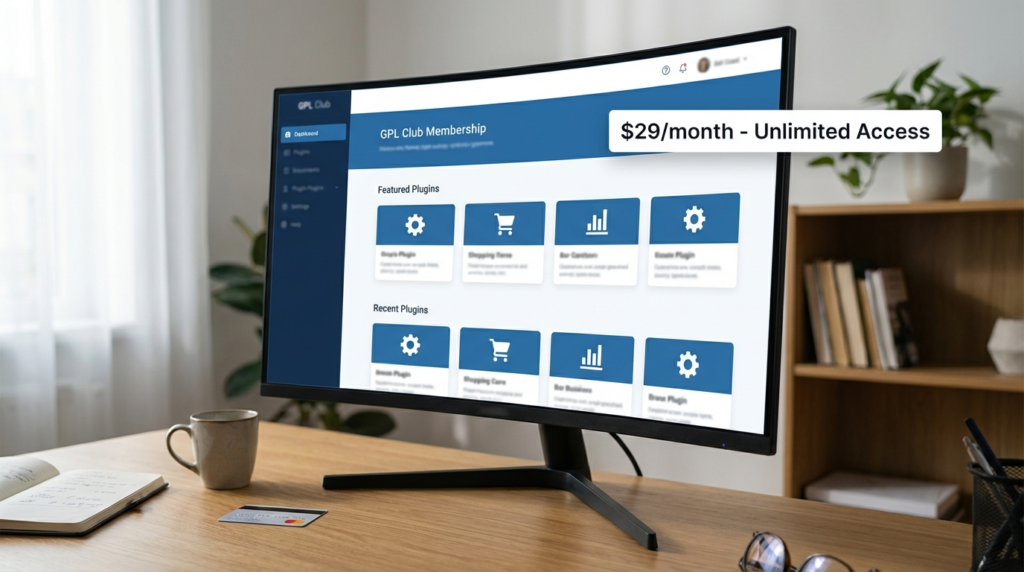
GPL clubs operate on a simple premise: buy premium plugins once, then resell unlimited copies to members. Since GPL allows redistribution, this model is technically legal.
Here’s their typical business structure. The club purchases licenses for popular premium plugins (WooCommerce extensions, page builders, SEO tools). They download the files and upload them to their membership site. Members pay a subscription fee (usually $20-50 monthly) for unlimited access to hundreds or thousands of premium plugins.
The economics work because clubs share costs across many members. Instead of 1,000 people each paying $199 for a plugin, they pay $30 monthly to access that plugin plus hundreds more. The club might spend $50,000 acquiring initial licenses but generates steady subscription revenue.
GPL clubs don’t violate WordPress’s license by redistributing code. However, they often violate the original developer’s terms of service. Most premium plugin licenses state you can’t redistribute files, even though GPL technically allows it. This creates a legal gray area.
Some clubs try to stay legitimate by purchasing licenses for every download. If 100 members want Plugin X, the club buys 100 licenses. This approach costs more but reduces legal exposure.
Other clubs buy one license and distribute it infinitely. This clearly violates the developer’s terms of service, even if GPL permits the technical redistribution.
The risk isn’t just legal. Clubs frequently offer outdated versions because they don’t maintain active licenses. You might download a plugin from six months ago, missing critical security patches.
The Real Risks of Using GPL Club Downloads
Legal concerns aside, GPL club plugins create practical problems that cost site owners more than they save.
No Official Support or Updates
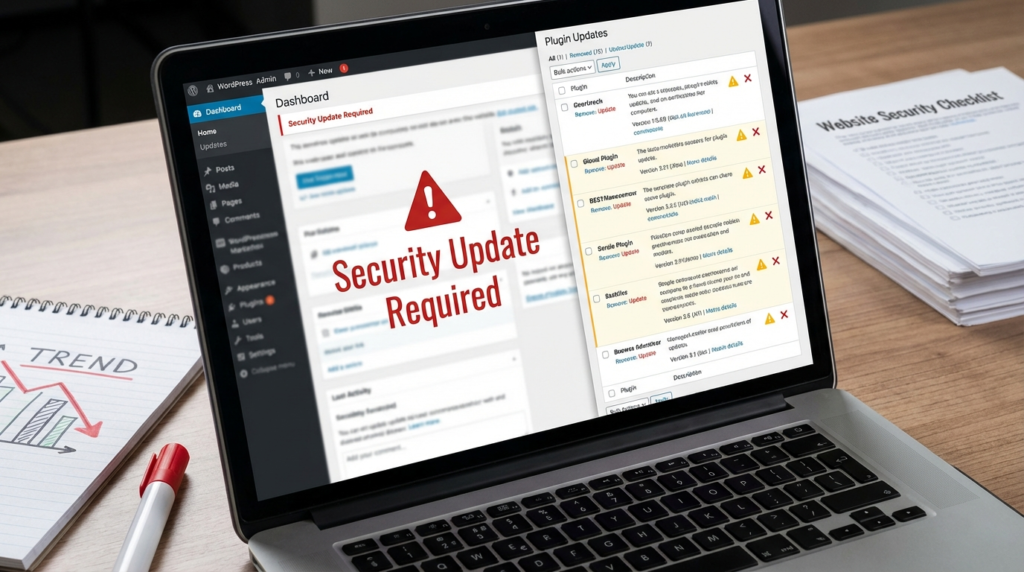
Premium plugin developers offer support and updates to licensed customers. When you buy from a GPL club, you’re not a customer in the developer’s eyes. Your support tickets get ignored. You won’t receive update notifications when critical security patches release.
Updates matter more than most site owners realize. A plugin vulnerability discovered in January gets patched within days for paying customers. GPL club members might not get that update for months, leaving their sites exposed.
Security and Malware Risks
Some GPL clubs inject malicious code into plugins before redistribution. They might add affiliate links, tracking scripts, or actual malware. You trust them to provide clean files, but verification is difficult.
Even legitimate clubs face challenges. If they download a plugin infected with malware (from a compromised developer site), they redistribute that infection to all members. The developer quickly patches and notifies customers, but club members remain vulnerable until someone notices.
Compatibility Issues
Plugins often require specific licenses to activate pro features. GPL club versions might include the code but lack valid license keys. Features remain locked or work partially. You download a “premium” plugin but get a crippled version.
Some developers implement server-side checks that disable functionality without valid licenses. The plugin installs and appears to work, but critical features fail silently. You don’t discover this until you’re troubleshooting a broken feature weeks later.
Legal Liability
Using GPL club plugins doesn’t expose you to copyright claims (assuming the club distributed truly GPL-licensed code). However, it might violate terms of service you agreed to when installing WordPress or using certain hosting platforms.
More concerning is liability for client work. If you’re a developer building sites for clients using GPL club plugins, and those plugins fail or introduce security vulnerabilities, you bear professional responsibility. Explaining that you saved $150 on a license won’t satisfy an angry client who lost customer data.
No Migration Path
What happens when you outgrow the GPL club? You’ve built your site around specific plugins, configured complex features, and accumulated data. Now you want legitimate licenses for support and updates.
Migrating isn’t always smooth. Some developers won’t sell you a license if they detect you previously used a GPL club version. Others require complete reinstallation rather than updating existing installations. Your “savings” evaporate when you pay for both setup time and delayed licensing.
When GPL Club Plugins Might Make Sense
Despite the risks, some scenarios justify using GPL club downloads.
Testing Before Buying
You want to evaluate a $299 plugin but the developer offers no meaningful trial. Paying $20 for GPL club access lets you test functionality before committing. This works if you plan to buy a legitimate license for production use.
Learning and Development
Students or developers learning WordPress development benefit from examining premium code. GPL clubs provide access to professional examples for educational purposes. The key is never deploying these to live client sites.
Abandoned Plugins
Sometimes developers discontinue popular plugins. They’re no longer for sale, but existing users need the files. GPL clubs preserve access to these orphaned plugins. Since the developer isn’t selling anymore, you’re not depriving them of revenue.
One-Time, Low-Stakes Projects
A personal blog or temporary landing page might not justify $200 for a plugin you’ll use briefly. If the site handles no sensitive data and you understand the risks, GPL clubs offer pragmatic access.
Finding Legitimate Discounts Without GPL Clubs
Site owners seeking affordable premium plugins have better options than GPL clubs.
Official Sales and Promotions
Premium developers run frequent sales. Black Friday, Cyber Monday, and summer promotions often discount plugins 30-50%. Subscribe to developer newsletters to catch these deals. The difference between $199 and $99 makes a legitimate license much more affordable.
AppSumo and Similar Platforms
AppSumo partners with developers to offer “lifetime deals” on plugins. You pay once (typically $39-99) and receive lifetime updates. Developers use these promotions to build user bases and generate reviews. You get legitimate licenses at significant discounts.
Developer Bundle Programs
Some developers offer bundles – buy three plugins, get 40% off. If you need multiple tools from one developer, bundles provide substantial savings while maintaining full licensing.
Freemium Models
Many premium plugins offer robust free versions. They include enough functionality for smaller sites while reserving advanced features for paid tiers. Starting with the free version lets you confirm compatibility and usefulness before upgrading.
Annual vs. Lifetime Licenses
Premium plugins typically offer annual or lifetime licenses. Annual licenses cost less upfront but require renewal. If you need a plugin for a short-term project, one year of support might suffice. Lifetime licenses cost more initially but eliminate recurring costs for long-term projects.
| License Type | Best For | Cost Structure |
|---|---|---|
| Annual | Short-term projects, testing needs | Lower upfront, recurring fees |
| Lifetime | Long-term sites, client work | Higher upfront, no renewals |
| Free Version | Basic requirements, limited budgets | No cost, feature restrictions |
| Bundle Deals | Multiple needs from one developer | Discounted package pricing |
What Developers Think About GPL Clubs
Premium plugin developers have mixed reactions to GPL clubs. Some accept redistribution as inevitable under GPL and focus on providing superior support that club versions can’t match. They view legitimate customers as those seeking ongoing updates and assistance, not one-time buyers.
Others actively fight GPL clubs through technical measures. License verification servers, encrypted code sections, and mandatory API connections make redistribution less attractive. These measures walk a fine line – too aggressive and they violate GPL principles.
A third group has embraced alternative business models. Instead of selling plugins, they sell services. The plugin itself is free and GPL-licensed, but they charge for hosting, support, or premium add-ons. This approach aligns with GPL philosophy while maintaining revenue.
Developers generally don’t pursue legal action against GPL clubs. The costs outweigh benefits, and the uncertain legal status of split licensing makes victory unlikely. Instead, they focus on educating customers about risks and improving value propositions for legitimate purchases.
Making Your Decision
Choosing between GPL clubs and legitimate licenses depends on your specific situation, risk tolerance, and professional obligations.
For client work or business sites, legitimate licenses aren’t optional. The security risks, support limitations, and professional liability make GPL clubs unsuitable. Budget the full cost of premium plugins into project pricing.
For personal projects or learning environments, carefully evaluate the specific plugin and club. Research the club’s reputation. Check when they last updated the plugin. Understand what features require valid licenses. Accept that you’re trading money for increased risk and complexity.
Whatever you choose, don’t assume “legal” means “safe” or “ethical.” GPL licensing creates unique situations in the WordPress ecosystem. Understanding these nuances helps you make informed decisions rather than simply chasing cheap prices.
Premium plugins cost what they do because developers invest significant resources into building, maintaining, and supporting them. When you pay for a license, you’re funding future development and ensuring the plugin improves over time.
Frequently Asked Questions
Is downloading plugins from GPL clubs illegal?
Downloading GPL-licensed code from GPL clubs isn’t illegal from a copyright perspective. However, it might violate the developer’s terms of service and denies you official support and updates. The legal redistribution of code doesn’t eliminate practical and security risks.
Can plugin developers sue me for using GPL club versions?
Developers can’t sue you for copyright infringement if the plugin is truly GPL-licensed. They might pursue GPL clubs for terms of service violations, but individual users face minimal legal risk. The bigger concerns are security vulnerabilities, lack of support, and professional liability.
Do GPL club plugins receive automatic updates?
No. GPL club plugins don’t connect to official update servers. You must manually download new versions from the club (if they acquire them) and reinstall. This delay creates security gaps when critical patches release.
What’s the difference between nulled plugins and GPL club plugins?
Nulled plugins have license checks removed or bypassed and often contain malware. GPL club plugins (from legitimate clubs) are unmodified but redistributed files. Both lack official support, but nulled plugins carry significantly higher security risks and are clearly illegal.
Conclusion
GPL licensing creates a strange market for WordPress products where legal redistribution coexists with legitimate developer grievances. Site owners can access premium plugins cheaply through GPL clubs, but those savings come with hidden costs.
For production sites, especially client work, stick with legitimate licenses. The support, security updates, and professional peace of mind justify the expense. Budget properly and look for official sales or bundle deals rather than GPL clubs.
If you’re testing plugins, learning development, or working on low-stakes personal projects, GPL clubs offer temporary access. Just understand the risks and plan to migrate to legitimate licenses for anything serious.
The WordPress ecosystem thrives because developers create excellent plugins. Supporting them with proper licenses ensures they can continue improving products we all depend on. Sometimes the “expensive” option is actually the smart investment.
Have you ever used a GPL club plugin? What was your experience with updates and support? Share your thoughts in the comments below.