

You’ve been posting quality content on Instagram, but your engagement just fell off a cliff. Your views are down, reach is in the gutter, and you’re not shadowbanned—at least not technically. Here’s what’s actually happening: Instagram’s sensitive content filter is hiding your posts from most of your audience without telling you.
This isn’t about getting banned or having posts removed. It’s worse in some ways because it’s invisible. Your content still exists, but Instagram’s algorithm has decided it’s “sensitive” and quietly dialed down who can see it. For artists posting figure drawings, fitness creators sharing workout transformations, or photographers showcasing their portfolio, this filter can tank your growth overnight.
The frustrating part? Instagram won’t send you a notification. There’s no appeal process. Your posts just stop performing, and you’re left wondering what went wrong.
This guide breaks down exactly how Instagram’s sensitive content controls work, why your reach dropped, and the specific steps you need to take to get your content back in front of your audience.
Key Takeaways
- Check your account status in Settings > Account > Account Status to see if content has been limited
- Adjust your content strategy to avoid close-ups of bodies, suggestive poses, or imagery that triggers automated filters
- Enable “Show in Explore & Search” for new posts by reviewing your content against Instagram’s guidelines before publishing
- Appeal limited posts through the Account Status page within 30 days of restriction
- Diversify your content mix with educational posts, behind-the-scenes content, and face-focused imagery to balance your feed
What Instagram’s Sensitive Content Filter Actually Does
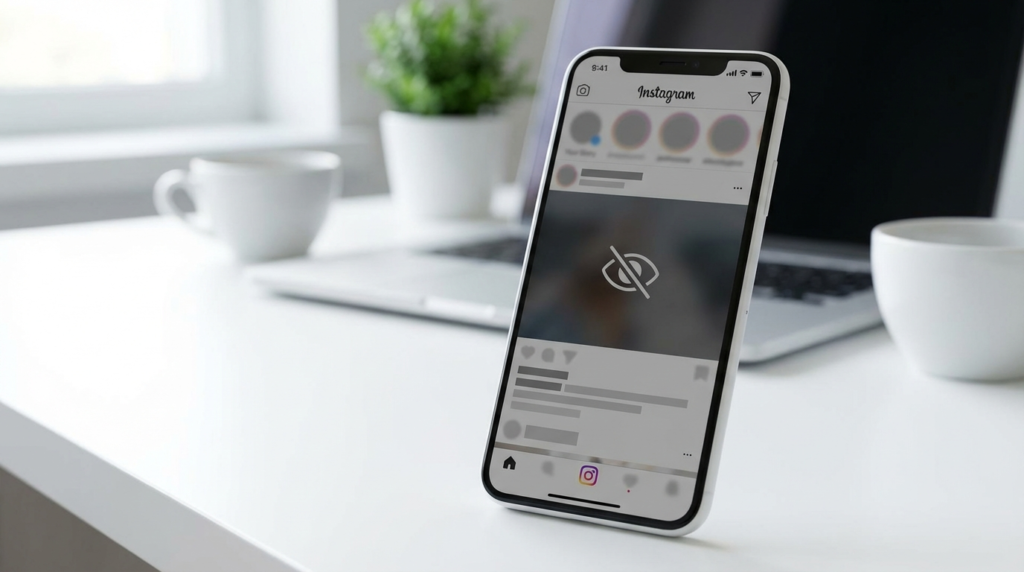
Instagram uses automated systems and human reviewers to scan every post for content that might be “sexually suggestive” or otherwise sensitive. When your post gets flagged, it doesn’t get deleted. Instead, it gets throttled.
Here’s what happens to flagged content:
The post won’t appear in Explore pages for users who haven’t changed their default settings. It gets buried in hashtag feeds, showing up only to users who’ve explicitly allowed sensitive content. Your Reels get significantly less distribution. Non-followers basically won’t see it.
The system looks at visual elements in your photos and videos. Body positioning, clothing coverage, skin-to-frame ratio, and context all factor into the decision. A fitness transformation showing before-and-after photos might get flagged. An artist’s reference sketch could trigger the filter. A yoga instructor demonstrating a pose might get limited reach.
Instagram doesn’t just flag nudity or explicit content anymore. The filter has gotten more aggressive, catching content that sits in gray areas. This is why creators in legitimate niches—fitness, art, dance, wellness—keep running into problems.
How to Check If Your Content Is Being Limited
Instagram added transparency tools that let you see if your content has been restricted. Here’s how to check:
Go to your profile and tap the menu icon. Select Settings, then Account, then Account Status. This page shows any posts that have been limited and why.
You’ll see three categories here. “Removed Content” shows posts that violated guidelines. “Not Recommended” lists posts that won’t show in Explore or hashtags. “Restricted Content” includes posts that only appear to users who’ve opted into seeing sensitive content.
If you see posts in the “Not Recommended” or “Restricted Content” sections, that’s your problem. These posts are live on your profile, but Instagram’s algorithm isn’t showing them to new audiences.
The Account Status page also shows your violation history. Multiple flags can lead to more aggressive filtering of your future posts, even if they don’t violate any rules. Instagram’s system learns from your past content and applies stricter scrutiny to your account.
Why Artists and Fitness Creators Get Hit the Hardest
Instagram’s automated filters don’t understand context well. A figure drawing and an adult photo might look similar to an AI system trained on visual patterns. A fitness transformation photo and suggestive content could trigger the same flags.
The algorithm scans for specific visual markers. Exposed skin, certain body positions, close-up framing of body parts, and minimal clothing all increase the likelihood of getting flagged. It doesn’t matter if the content is educational, artistic, or completely appropriate.
Artists posting life drawings, anatomy studies, or classical art references get caught constantly. The filter doesn’t distinguish between artistic nudity and explicit content. Renaissance paintings would probably get flagged on Instagram.
Fitness influencers face similar issues. Progress photos showing weight loss or muscle gain often feature people in workout clothes. Yoga instructors, dancers, and movement coaches demonstrate poses that involve flexibility and body awareness. All of this can trigger the sensitive content filter.
The problem compounds when you post this type of content regularly. Instagram’s system starts to categorize your entire account as producing sensitive content. Future posts get pre-filtered more aggressively, creating a feedback loop that’s hard to break.
The Three Sensitivity Settings Users Can Choose
Instagram gives users control over how much sensitive content they see. Most people never change these settings, which means they’re on the default: “Limited.”
Here’s how the three tiers work:
Limited (default): Users don’t see sensitive content in Explore, hashtags, or Reels recommendations. This is where most of Instagram’s audience lives.
More: Users see some sensitive content, but Instagram still filters out material it considers particularly suggestive.
Standard: Users see everything that doesn’t violate Instagram’s rules outright.
| Setting | Explore Visibility | Hashtag Reach | Reels Distribution |
|---|---|---|---|
| Limited | Blocked | Severely reduced | Minimal |
| More | Partially visible | Reduced | Moderate |
| Standard | Full visibility | Normal | Full distribution |
When your content gets flagged as sensitive, you’re essentially invisible to anyone on “Limited” settings. That’s the majority of Instagram users. Your reach dies because the platform is hiding your posts from the default audience.
Common Content That Triggers the Filter

Instagram’s guidelines are vague, but patterns emerge from what gets flagged:
Close-up shots of bodies, even if fully clothed, can trigger filters. The algorithm seems sensitive to framing that emphasizes physical features over context. A full-body yoga pose might pass, but a close-up of the same pose could get flagged.
Before-and-after transformations often get hit because they typically show people in minimal clothing to demonstrate changes. The side-by-side format doesn’t help—it draws more attention to bodies.
Artistic content featuring the human form struggles regardless of context. Charcoal drawings, oil paintings, digital art—if it shows body shapes clearly, it’s at risk. Adding artistic filters or black-and-white effects doesn’t seem to help.
Dance content, particularly styles like contemporary, lyrical, or fitness dance, gets flagged frequently. The movements and typical dance attire combine to trigger sensitivity filters.
Suggestive posing or positioning, even when fully clothed, can cause problems. Lying down, arching backs, or positions that could be interpreted as sexual in nature all increase flagging risk.
Product shots for swimwear, lingerie, or fitness apparel consistently trigger filters. Even when using models in professional, non-suggestive poses, the clothing type alone can cause issues.
How to Appeal Limited Content
If your post gets flagged, you can appeal through the Account Status page. Instagram gives you 30 days to request a review.
Tap on the restricted post in your Account Status dashboard. Select “Request Review” and follow the prompts. You’ll need to explain why your content doesn’t violate guidelines.
Keep your appeal focused. Explain the context clearly—whether it’s educational, artistic, or professional. Reference specific Instagram guidelines if applicable. Don’t write a novel; two to three sentences usually work better than lengthy explanations.
The review process can take anywhere from a few hours to several days. If Instagram agrees your content was wrongly flagged, they’ll restore full distribution. If they uphold the restriction, you’re stuck with limited reach on that post.
Success rates for appeals vary. Educational and clearly artistic content seems to have better odds. Fitness content is hit-or-miss. The key is demonstrating clear context and intent.
Remember that multiple rejected appeals can potentially impact your account further. Don’t appeal obvious violations just to test the system.
Strategies to Pass the Sensitivity Filter
You can adjust your content strategy to reduce flagging while still posting what you need to share. It requires some adaptation, but it’s doable.
Frame shots differently. Instead of close-ups, pull back to show more environmental context. A yoga pose in a full studio setting is less likely to get flagged than just the pose isolated.
Mix up your content ratio. For every potentially sensitive post, share three to five clearly safe posts. Educational content, face-focused shots, product flatlays, text-based graphics—anything that won’t trigger filters. This helps retrain Instagram’s perception of your account.
Add more clothing or coverage when possible. This isn’t always feasible for fitness or art content, but where you have flexibility, use it. A tank top instead of a sports bra, athletic shorts instead of compression shorts—small changes can make the difference.
Include strong contextual elements. Show equipment, environments, or other people in the frame. An exercise demonstration in a gym setting reads differently to the algorithm than just a person in workout clothes against a blank wall.
Front-load educational value in captions. Instagram’s systems apparently consider caption content when evaluating posts. Starting with clear educational or professional context might help.
Test with Instagram’s content checker. Before posting sensitive content, you can test how Instagram might react by posting to Close Friends first. If it gets flagged there, it’ll definitely get flagged publicly.
What to Do When Your Reach Drops
If you notice your engagement tanking, check your Account Status immediately. Even if you don’t see specific posts flagged, your account might be in a sensitivity category that affects all your content.
Stop posting potentially sensitive content for two to three weeks. Focus on clearly safe content during this period. This helps reset Instagram’s categorization of your account. Think of it as a cleanse for the algorithm.
Engage more with your existing audience during this period. Instagram’s systems factor in how much your followers interact with your content. Strong engagement from your core audience can partially offset distribution limits.
Review your archived content and delete or archive posts that might’ve contributed to the sensitivity categorization. This is drastic, but if you’ve got a backlog of flagged content, it might be weighing down your account.
After the reset period, reintroduce your regular content slowly. Post one potentially sensitive piece mixed with four to five safe posts. Monitor your Account Status after each post to see if you’re getting flagged again.
Consider creating separate accounts if you produce both clearly safe content and content that consistently gets flagged. This isn’t ideal, but it protects your main account from repeated sensitivity flags.
The Reality Check: What Instagram Actually Cares About
Instagram is trying to balance advertiser comfort with creator freedom. Advertisers don’t want their brands next to content that could be controversial. Instagram’s filters err on the side of caution to protect ad revenue.
This means the platform will continue aggressively filtering content in gray areas. The definition of “sexually suggestive” will probably get broader, not narrower. Creators working in sensitive niches need to adapt or accept limited reach.
You can fight every flagged post, but that’s exhausting and often unsuccessful. The better strategy is to understand the system’s biases and work within them where possible.
Focus on building an engaged core audience that follows you directly. When Instagram limits your Explore reach, your follower engagement becomes even more critical. Those followers can share your content, bringing in new audiences despite the algorithmic restrictions.
According to <a href=”https://www.socialmediatoday.com/news/instagram-sensitive-content-control/644739/”>Social Media Today</a>, Instagram’s sensitivity controls were designed to give users more autonomy, but they’ve created a two-tier system where certain content types are systematically disadvantaged. The system treats all potentially sensitive content the same, regardless of context or intent.
Meta’s <a href=”https://transparency.meta.com/policies/community-standards/adult-nudity-sexual-activity/”>Community Standards</a> provide the official guidelines, but enforcement through automated systems creates inconsistencies that creators have to navigate without clear rules.
Creating Content That Performs Despite the Filters
Your content doesn’t need to be sanitized to the point of being boring. It needs to be strategic.
Educational framing helps significantly. Instead of just posting a workout photo, post a carousel explaining the movement, benefits, and common mistakes. The educational context often protects posts that would otherwise get flagged.
Face-focused content performs better and gets flagged less. Even in fitness or art content, incorporating more facial expressions and reactions reduces sensitivity flags.
Use Instagram Stories for more sensitive content. Stories have different distribution rules and seem to face less aggressive filtering. You lose some discoverability, but you maintain connection with your existing audience.
Carousel posts with educational first slides can help. The algorithm seems to evaluate the first image more heavily. If slide one is clearly educational or contextual, the rest of the carousel might get more leeway.
Save your most potentially sensitive content for when you’ve built strong momentum. If your recent posts have performed well and you’ve got high engagement, Instagram’s systems are less likely to aggressively filter your next post.
Frequently Asked Questions
How long does sensitive content restriction last? Restrictions on individual posts are typically permanent unless you successfully appeal. Your account’s overall sensitivity classification can improve over time if you consistently post content that doesn’t get flagged for several weeks.
Can I turn off the sensitive content filter for my own account? Yes, but only for what you see, not for what others see. Go to Settings > Account > Sensitive Content Control and choose “Standard” to see more content. This doesn’t affect how Instagram distributes your posts to others.
Will deleting flagged posts help my account? Deleting heavily restricted posts can help long-term, especially if you have multiple violations. It won’t immediately restore your reach, but it can prevent your account from being permanently categorized as producing sensitive content.
Does adding warnings to captions prevent filtering? No. Instagram’s automated systems scan visual content first. Caption warnings don’t influence whether a post gets flagged as sensitive. They might help with community guidelines violations, but not with sensitivity filtering.
Conclusion
Instagram’s sensitive content filter isn’t going anywhere. The system will likely get more sophisticated, but not necessarily more accurate. Understanding how it works gives you a fighting chance at maintaining your reach.
Check your Account Status regularly. Adjust your framing and content mix to work with the algorithm’s biases. Appeal wrongful restrictions quickly. Build a strong follower base that engages with your content regardless of algorithmic distribution.
The most successful creators in sensitive niches don’t fight the system head-on. They learn its patterns, adapt their content strategy, and focus on audience building over algorithmic reach.
Your content quality hasn’t changed, but your approach needs to. Stay consistent with what makes your content valuable while being smarter about how you present it.
What content of yours has been flagged as sensitive, and how did you adjust your strategy to maintain reach? Drop your experience in the comments—other creators need to hear what’s actually working.