

You’ve heard dropshipping is the easiest way to start an online business. Low startup costs, no inventory, just list products and collect profits. So naturally, you think Amazon—with its massive customer base—would be perfect for this model.
But here’s what nobody tells you upfront: traditional dropshipping gets you banned on Amazon. Fast.
Thousands of new sellers learn this the hard way when they start listing products from Walmart, AliExpress, or other retailers, only to wake up to a suspended account. Amazon’s “Seller of Record” requirement isn’t just a technicality—it’s the line between a legitimate business and a policy violation that can end your selling privileges permanently.
This isn’t about finding loopholes. It’s about understanding what Amazon actually allows and building a compliant business that lasts. Whether you’re exploring dropshipping as a business model or already got that dreaded suspension email, you’ll learn exactly how Amazon’s rules work and the legal alternatives that won’t put your account at risk.
Key Takeaways
- Avoid sourcing products from retail arbitrage sites like Walmart or Target for Amazon orders—this violates Amazon’s dropshipping policy
- Become the “Seller of Record” by purchasing inventory directly from manufacturers or authorized wholesalers
- Remove all third-party branding, packing slips, and invoices before products reach your customers
- Consider Amazon FBA or wholesale arrangements as compliant alternatives to traditional dropshipping
- Maintain proper documentation including invoices that show you as the buyer, not an intermediary
Why Traditional Dropshipping Fails on Amazon
Most people think dropshipping means finding a cheaper product somewhere else and listing it for more on Amazon. You get an order, buy it from Walmart with the customer’s address, and pocket the difference. Simple, right?
Wrong. This is retail arbitrage dropshipping, and Amazon specifically prohibits it.
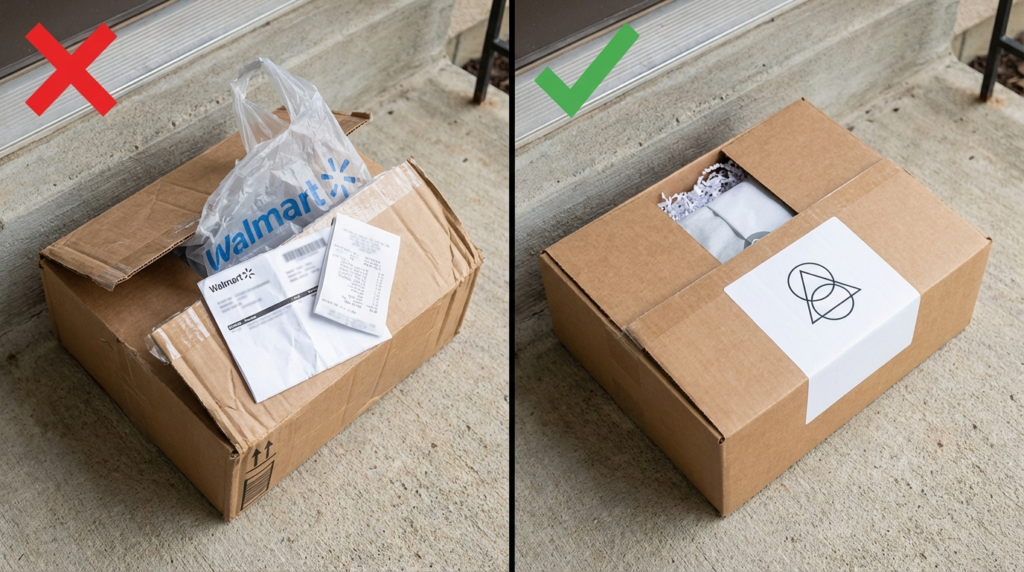
The problem centers on who appears as the seller. When you order from Walmart and ship directly to your Amazon customer, that package arrives with Walmart branding, a Walmart packing slip, and maybe even a Walmart receipt showing a lower price than what your customer paid. Your customer just discovered they overpaid, and they know you’re not the actual source.
Amazon’s policy states you must be the seller of record for all products you list. That means you’re responsible for the product, the shipping, and the entire customer experience. You can’t just be a middleman between another retailer and an Amazon buyer.
Here’s what happens when Amazon catches this: immediate account suspension. They don’t give warnings. One customer complaint about receiving a Walmart package when they ordered from Amazon, and your selling privileges vanish. Getting reinstated requires proving your entire business model has changed—not just promising to do better.
Understanding Amazon’s Seller of Record Requirement
The Seller of Record rule exists for good reason. Amazon needs to know who’s actually responsible when something goes wrong. If a product is defective, who handles the return? If there’s a safety issue, who gets contacted? When you’re just dropshipping from Walmart, you can’t answer these questions because you don’t control the supply chain.
Being the Seller of Record means you must:
Purchase products directly from manufacturers or authorized distributors. Your invoices should show your business name as the buyer. You’re establishing a direct relationship with the source, not buying through an intermediary.
Take responsibility for the entire customer experience. From product quality to shipping speed to returns, you’re accountable. You can’t blame your supplier when things go wrong.
Ensure your branding appears on all shipments. No third-party logos, packing slips, or promotional materials from other companies. The customer should only see your business name or Amazon’s branding.
Maintain proper documentation for every product. Amazon can request invoices at any time to verify you’re buying from legitimate sources. These documents prove you’re not engaged in retail arbitrage.
This isn’t Amazon being difficult. They’re protecting their marketplace reputation and their customers. When buyers shop on Amazon, they expect Amazon-level service, not a mystery box that might come from anywhere.
What Amazon Actually Allows: Compliant Dropshipping Methods
Amazon does allow dropshipping, but only under specific conditions. You can work with suppliers who ship directly to customers, as long as you meet the requirements.
Working with Manufacturers and Wholesalers
The legal path involves partnering with manufacturers or authorized wholesale distributors. These businesses understand Amazon’s requirements and typically have systems in place for compliant dropshipping.
You establish a wholesale account with the manufacturer. They provide you with their product catalog, pricing, and shipping terms. When you get an Amazon order, you forward it to your supplier with specific packaging instructions.
Your supplier ships the product directly to your customer, but here’s the critical part: the package must either be blank (no branding) or have your business branding. No manufacturer logos, no promotional inserts, nothing that identifies anyone except you or Amazon.
You’re buying at wholesale prices, which means lower margins than retail arbitrage, but you’re building a sustainable business. Your invoices show bulk purchases from legitimate suppliers, which satisfies Amazon’s verification requirements.
Amazon FBA: The Safest Alternative
Fulfillment by Amazon (FBA) eliminates most dropshipping concerns. You buy inventory from wholesalers or manufacturers, ship it to Amazon’s warehouses, and they handle storage, packing, and shipping.
This model gives you complete control over your supply chain. You inspect products before sending them to Amazon. You ensure everything meets quality standards. When customers order, Amazon fulfills with their standard packaging and prime shipping.
FBA isn’t technically dropshipping since you’re holding inventory (at Amazon’s warehouse, not yours), but it solves the same problem—you don’t need your own warehouse or handle individual shipments.
The trade-off is upfront investment. You’re buying inventory before you have orders. But you’re also getting prime badge eligibility, better buy box chances, and Amazon’s customer service handling returns.
Print-on-Demand Services
For certain product categories like t-shirts, mugs, or books, print-on-demand services offer a compliant middle ground. Companies like Printful or Printify integrate with Amazon and handle production when orders come in.
You design the products, they manufacture and ship them. Since these services are designed specifically for sellers (not retail stores), they ship with neutral or custom branding that meets Amazon’s requirements.
This works because you’re the one creating the product listings, setting prices, and controlling the brand. The print-on-demand company is your manufacturer, not a retailer you’re reselling from.
Common Mistakes That Trigger Account Suspensions
New sellers make the same errors repeatedly. Learning from these mistakes saves you from finding out the hard way.
Using Retail Receipts as Invoices
Amazon requests invoices to verify your supply chain. Showing them a Walmart receipt proves you’re doing retail arbitrage. Even if you remove Walmart’s branding from packages, those receipts expose your violation.
Real invoices come from manufacturers or distributors. They show business-to-business transactions with terms like “Net 30,” bulk quantities, and wholesale pricing. Retail receipts show consumer purchases.
Shipping from Competitor Addresses
When packages ship from a Walmart or Target distribution center, the return address gives it away. Customers notice. Amazon notices. Your supplier’s address should be a warehouse or manufacturing facility, not a retail store.
Leaving Third-Party Branding Intact
Every promotional insert, branded box, or packing slip from another company is evidence against you. One customer complaint with a photo of that Walmart packing slip, and you’re explaining yourself to Amazon’s enforcement team.
Inconsistent Supplier Documentation
Amazon sometimes asks for invoices covering 90 days of inventory purchases. If you can’t provide consistent documentation from the same suppliers, they question your legitimacy. Retail arbitrage makes this impossible because you’re buying from random sources.
Pricing Products Higher Than Source
While not explicitly prohibited, when customers receive packages with receipts showing lower prices, they feel scammed. The negative feedback and complaints draw Amazon’s attention to your operation.
Setting Up a Compliant Amazon Dropshipping Business
Building the right way takes more work upfront but creates long-term stability.
Start by researching manufacturers in your chosen product niche. Sites like Alibaba connect you with factories, but verify they understand Amazon’s packaging requirements. Many manufacturers already work with Amazon sellers and know exactly what’s needed.
Contact wholesale distributors who work with Amazon sellers. These companies often have minimum order requirements, but they’re set up for dropshipping arrangements. Ask specifically about their packaging options and whether they can ship blank or with your branding.
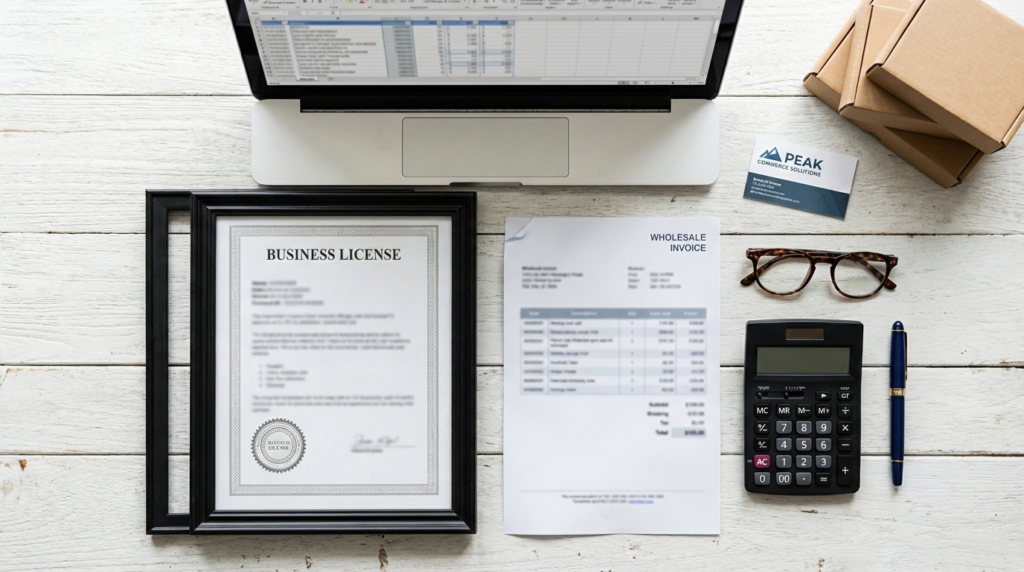
Establish your business properly. Get an LLC or business entity, obtain a resale certificate (sales tax exemption for wholesale purchases), and set up business banking. Legitimate wholesalers require this documentation before opening accounts.
Create clear packaging instructions for your suppliers. Specify no third-party branding, no promotional materials, and exactly what should appear on the outside of packages. Get written confirmation they’ll follow these requirements.
Order samples before listing products. Verify the quality matches descriptions and that packaging arrives as specified. This prevents customer complaints and ensures you’re selling products you’d stand behind.
Build relationships with multiple suppliers. Relying on one source creates risk. If they run out of stock or change their terms, you need alternatives that maintain the same quality standards.
Comparing Your Amazon Selling Options
| Method | Upfront Cost | Control Level | Compliance Risk | Best For |
|---|---|---|---|---|
| Retail Arbitrage Dropship | Very Low | Minimal | Extremely High | Nobody (Banned) |
| Manufacturer Dropship | Low-Medium | Moderate | Low (if done correctly) | Testing products before inventory commitment |
| Amazon FBA | Medium-High | High | Very Low | Scalable business with consistent products |
| Print-on-Demand | Low | Moderate | Low | Custom designs and personalized items |
Managing Customer Expectations and Quality Control
Even with compliant dropshipping, you’re responsible for everything that reaches customers.
Communicate shipping times accurately. If your supplier needs 3-5 business days to ship, don’t promise 2-day delivery. Set realistic expectations in your listings and you’ll avoid negative feedback.
Monitor supplier performance constantly. Track shipping times, product quality issues, and customer complaints. One unreliable supplier can tank your seller metrics and account health.
Have a clear returns process. Since you’re the Seller of Record, you handle returns even if the manufacturer shipped the product. Work out arrangements with suppliers beforehand for defective items or errors.
Test products regularly by ordering from your own listings. This shows you exactly what customers experience and catches problems before they generate complaints.
Respond to customer issues immediately. When someone has a problem, they don’t care that you didn’t personally pack the box. You’re the seller they bought from, and you need to make it right.
Documentation and Record-Keeping Requirements
Amazon can request verification at any time. Having proper records ready prevents suspensions.
Keep all supplier invoices organized and accessible. You need to produce these within 24-48 hours when Amazon asks. Store them digitally in cloud storage for easy retrieval.
Your invoices should include your business name, supplier information, product details, quantities, prices, and dates. They should show business transactions, not consumer purchases.
Maintain supplier contact information and contracts. If Amazon questions a product’s authenticity or sourcing, you need to prove your supplier relationship.
Track inventory levels if working with multiple suppliers. Listing products that are out of stock frustrates customers and hurts your metrics. Some sellers use inventory management software that syncs with supplier stock levels.
Document all customer communications about product issues. If you need to appeal a suspension, this evidence shows you were responsive and attempted to resolve problems.
Scaling Your Compliant Amazon Business
Once you’ve established compliant systems, growth becomes possible.
Expand your product catalog gradually. Don’t add dozens of items at once. Test new products with small quantities, verify supplier reliability, and scale what works.
Negotiate better terms as your volume increases. Wholesalers offer better pricing when you’re ordering consistently. Some will even agree to hold inventory at their warehouse specifically for your Amazon orders.
Consider transitioning successful dropship products to FBA. Once you know a product sells well, buying inventory and using FBA often improves margins and shipping speed.
Automate order processing where possible. Software exists that forwards Amazon orders to suppliers automatically, reducing manual work as volume grows.
Monitor your account health metrics obsessively. Your Order Defect Rate, Late Shipment Rate, and Customer Service metrics determine whether Amazon allows you to keep selling. Stay well below their thresholds.
Build your brand beyond just reselling. Private labeling products or creating exclusive arrangements with manufacturers increases margins and reduces direct competition.
Frequently Asked Questions
Can I dropship from AliExpress to Amazon?
Technically yes, but it’s extremely risky. Long shipping times from China often violate Amazon’s delivery standards, leading to late shipment complaints. You’ll also struggle with quality control and returns. Most successful sellers use AliExpress suppliers only after thorough vetting and usually transition to direct manufacturer relationships for better terms and reliability.
What happens if Amazon catches me dropshipping from retail stores?
Immediate account suspension. Amazon will require you to submit a Plan of Action explaining how you’ll prevent future violations. You’ll need to show proof of compliant supplier relationships and invoices. Many sellers never get reinstated because they can’t demonstrate a legitimate wholesale operation.
Do I need special approval to dropship on Amazon?
No special approval exists for dropshipping specifically. You need a standard seller account and must follow Amazon’s dropshipping policy. Some categories require approval regardless of your fulfillment method (groceries, topicals, etc.), but dropshipping itself doesn’t need additional authorization if you’re compliant.
How much money do I need to start compliant Amazon dropshipping?
Expect $2,000-5,000 minimum. This covers your business setup, initial product samples, Amazon seller fees ($39.99/month for Professional account), and enough capital to purchase from wholesalers who often have minimum orders. Starting with less is possible but limits your supplier options and product selection.
The Reality of Amazon Dropshipping in 2026
Amazon dropshipping works when you do it correctly. The days of easy retail arbitrage are over, and that’s probably for the best. Building a real business with legitimate suppliers creates sustainable income instead of a house of cards waiting to collapse.
You won’t get rich overnight. The compliant methods require more capital, more work, and more patience than the prohibited shortcuts. But you’re building something that won’t disappear with a single suspension email.
Focus on finding quality suppliers who understand Amazon’s requirements. Take time to set up proper systems. Document everything. Treat customers well even when problems arise. These fundamentals separate sellers who last from those who flame out within months.
Start small with products you understand and can verify quality on. Test the entire process from ordering to customer delivery before scaling. Learn Amazon’s policies thoroughly—not just the dropshipping rules, but all seller requirements.
The opportunity exists for sellers willing to do things properly. Amazon’s marketplace isn’t going anywhere, and compliant dropshipping remains a viable entry point for entrepreneurs who respect the rules and build real businesses.
What’s been your biggest challenge setting up an Amazon selling business? Drop your questions in the comments below—I respond to every one.