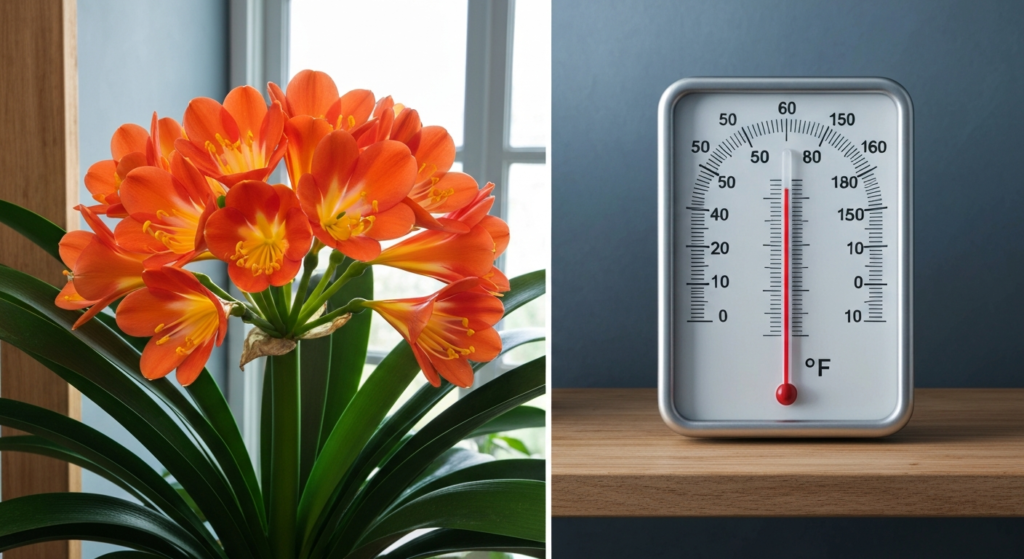

You bought a beautiful Clivia miniata, expecting those stunning orange blooms everyone talks about. Instead, you get leaves. Lots of leaves. Green, healthy leaves that refuse to produce a single flower.
Here’s the frustrating part: your plant looks perfectly healthy. It’s growing. It’s green. But it just won’t bloom. You’ve watered it, fed it, given it light, and still—nothing. Meanwhile, you see photos of other people’s Clivias covered in bright orange clusters, and you wonder what you’re doing wrong.
The problem isn’t your care routine. The real issue is that Clivia miniata needs something most houseplants don’t: a cold treatment period. Without this specific dormancy phase, your plant will keep making leaves but skip the flowers entirely. The good news? Once you understand how to trigger blooming through cold treatment, you’ll get those orange blooms year after year.
I’m Darcey Wren, and I’ve been growing and writing about indoor flowering houseplants for several years now. My interest in Clivias started when I inherited one from a neighbor who was moving—it hadn’t bloomed in three years. After researching and experimenting with temperature manipulation and dormancy periods, I finally got it to produce flowers. That experience taught me that Clivias have very specific needs that differ from typical houseplants, and I’ve been sharing what I’ve learned with other growers ever since.
Understanding Clivia Miniata’s Natural Cycle
Clivia miniata comes from South Africa, where it grows in forest understories. In its natural habitat, it experiences distinct seasonal changes. During winter months (June to August in the Southern Hemisphere), temperatures drop and rainfall decreases. The plant responds by entering a rest period where growth slows down.
This rest period is essential for flower development. During dormancy, the plant stores energy and develops flower buds internally. When temperatures warm up and water becomes available again, those buds emerge as the orange flower stalks you’re hoping to see.
When you grow Clivia indoors, you need to recreate this cycle. Your home probably stays around 68-75°F year-round, which keeps the plant in continuous growth mode. It makes leaves because conditions tell it to grow, not to prepare for flowering.
The Winter Rest Period: Your Key to Blooms
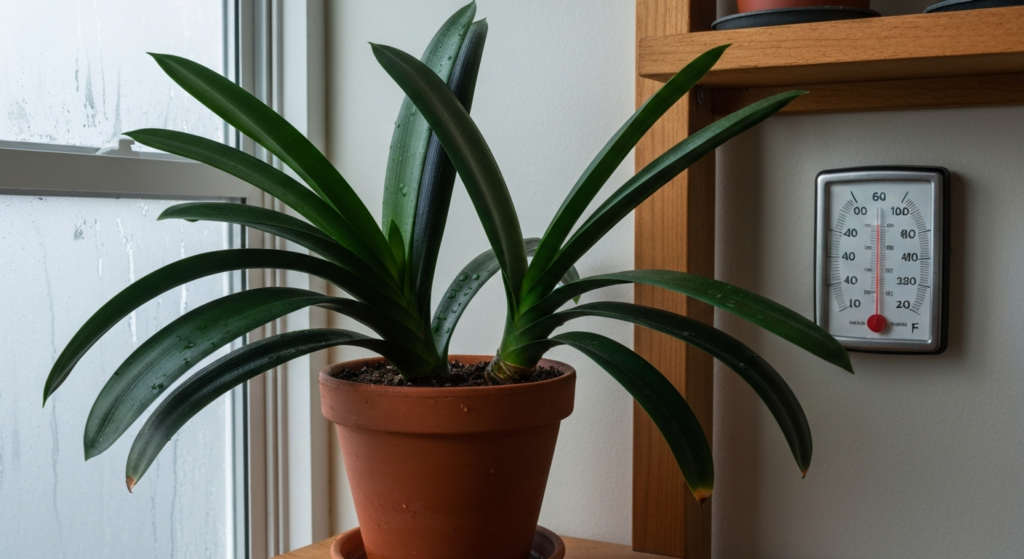
The winter rest period typically lasts 8-12 weeks, usually starting in late October or November. During this time, you need to provide cooler temperatures and reduce watering significantly.
Temperature Requirements
Your Clivia needs temperatures between 40-50°F during its rest period. This range is cool enough to trigger dormancy but not cold enough to damage the plant. The plant can tolerate brief drops to 35°F, but sustained freezing will kill it.
Finding the right spot in your home can be tricky. Here are places that often provide these cooler temperatures:
- Unheated spare bedrooms or enclosed porches
- Garages with windows (not completely dark)
- Basements near window wells
- Mudrooms or entryways with exterior walls
I keep mine in an unheated spare bedroom where temperatures hover around 45°F during winter. The room has a north-facing window, so the plant gets dim light without any heat from direct sun.
Light During Dormancy
Your plant still needs some light during rest, but it doesn’t need much. Bright indirect light from a north-facing window works well. If your cool location is too dark, you can use a low-wattage LED grow light for a few hours each day.
Complete darkness isn’t good for Clivias even during dormancy. They’re evergreen plants that keep their leaves year-round, and those leaves need at least minimal light to stay healthy.
When and How to Resume Watering
This is where many growers make mistakes. The timing of when you resume watering directly affects whether your plant will bloom.
During the 8-12 week rest period, water very sparingly—just enough to prevent the leaves from shriveling. For most plants, this means watering once every 3-4 weeks with a small amount of water.
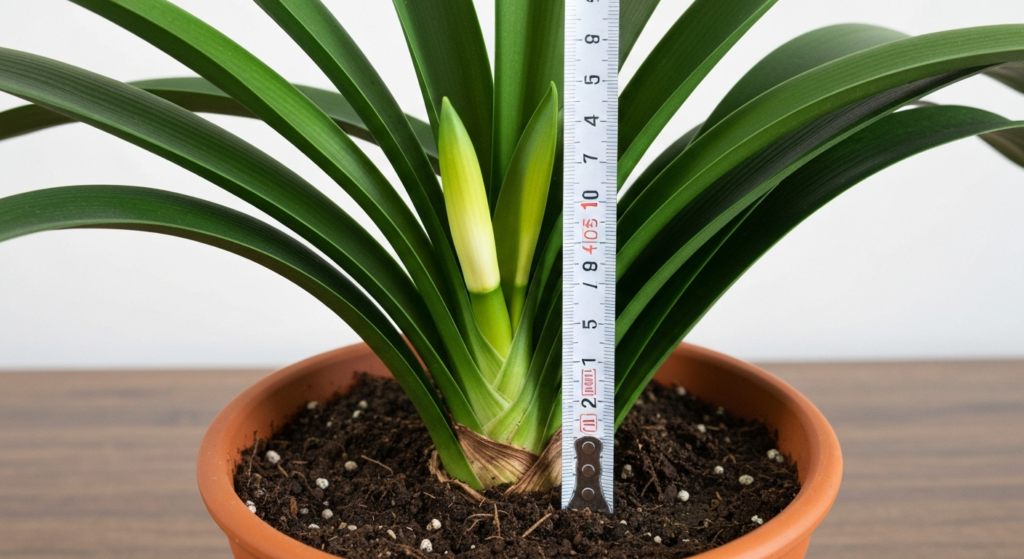
After 8 weeks minimum, check your plant for signs of a flower stalk. Look at the base of the leaves where they emerge from the soil. A flower stalk appears as a thick, flat shoot that’s distinctly different from the strap-like leaves.
| Timeline | Watering Schedule | What to Look For |
|---|---|---|
| Weeks 1-8 | Once every 3-4 weeks, minimal amount | Leaves should stay firm but not produce new growth |
| Week 8-10 | Check for flower stalk before watering | Flat, thick shoot at leaf base |
| After flower stalk appears | Resume normal watering gradually | Stalk should reach 4-6 inches before full watering |
| If no stalk by week 12 | Continue sparse watering another 2-4 weeks | Some plants need 12-16 weeks total |
When you spot the flower stalk and it reaches about 4-6 inches tall, that’s your signal to resume regular watering. Start gradually—water lightly at first, then increase to your normal routine over a week or two.
If you start watering too early, before the flower stalk emerges, you risk the plant aborting the flower buds and producing leaves instead. I made this mistake with my first Clivia, getting impatient after 6 weeks and resuming water. The plant went right back to leaf production without flowering.
Temperature Transition Strategy
How you move your plant from dormancy back to normal conditions matters. Don’t shock the plant by moving it from 45°F to 70°F in one day.
When the flower stalk reaches 6 inches and you’re ready to resume full care, move the plant to progressively warmer locations over a week:
Day 1-2: Move to a location around 55-60°F Day 3-4: Move to a location around 60-65°F Day 5-7: Move to final location at normal room temperature
This gradual transition helps the flower stalk develop properly. Sudden temperature increases can cause the stalk to grow too quickly and become weak or the buds to blast (fail to open).
Preventing Rot During Dormancy
Root rot is a real risk during the dormancy period because you’re combining cool temperatures with reduced watering. Cool, damp soil is the perfect environment for fungal problems.
Soil and Drainage
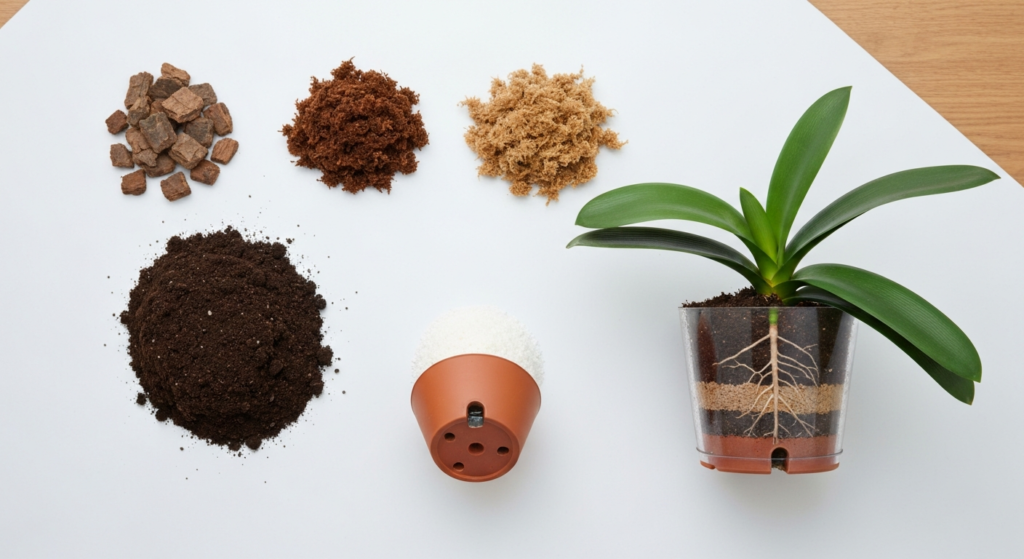
Before starting dormancy, make sure your Clivia is planted in a well-draining mix. A good formula includes:
- 50% orchid bark or perlite
- 25% peat moss or coco coir
- 25% regular potting soil
The pot must have drainage holes. Clivias have thick, fleshy roots that rot quickly if water sits around them.
Watering Technique
When you do water during dormancy, water just the edges of the pot, not directly at the plant’s center. This keeps some moisture available to the roots without saturating the crown where rot typically starts.
Check the soil before each watering. Stick your finger 2-3 inches down into the soil. If it feels at all damp, wait another week. During dormancy, it’s better to underwater than overwater.
Warning Signs of Rot
Watch for these signs during the rest period:
- Yellowing leaves, especially from the base
- Soft, mushy spots on leaves or at the soil line
- Foul smell from the soil
- Leaves that pull away easily from the plant
If you spot any of these signs, remove the plant from the pot immediately and inspect the roots. Healthy Clivia roots are thick, white to pale orange, and firm. Rotted roots are brown, black, or mushy.
Offset Division Timing
Clivias produce offsets (small plants) at their base. These offsets can eventually crowd the pot and reduce flowering. But timing their removal is important.
When to Divide
The best time to divide offsets is in early spring, right after the plant finishes flowering. At this point, the plant is entering its active growth phase and will recover quickly from division.
Never divide during or just before dormancy. Dividing creates wounds that need to heal, and healing happens slowly in cool temperatures. Division wounds during dormancy are prone to rot.
How to Divide Safely
Wait until offsets have at least 4-5 leaves of their own. Smaller offsets often don’t have enough root system to survive on their own.
Remove the plant from its pot and gently separate the offset from the mother plant. Some offsets pull away easily. Others need to be cut with a clean, sharp knife. Let the cut surfaces dry for 24 hours before potting.
Pot offsets in small containers (4-5 inch pots) with the same well-draining mix described earlier. Keep them slightly warmer than mature plants (around 65-70°F) until they’re established.
Should You Divide at All?
Here’s something interesting about Clivias: they bloom better when slightly root-bound. A pot full of multiple crowns often produces more flower stalks than a single plant in a large pot.
I keep my mature Clivias in fairly crowded conditions, only dividing when the pot is literally bursting. The plant in my living room has five crowns in a 10-inch pot, and it produces 3-4 flower stalks each spring.
Color Varieties Beyond Orange
While the standard Clivia miniata produces orange flowers with yellow centers, other colors exist through selective breeding.
| Color Variety | Description | Rarity | Care Differences |
|---|---|---|---|
| Standard Orange | Classic orange with yellow throat | Common | Standard care |
| Yellow | Pure yellow flowers, no orange | Moderate | Same cold treatment needed |
| Peach/Apricot | Soft orange-pink tones | Moderate | Same care as standard |
| Red | Deep orange-red, darkest variety | Less common | May need slightly longer dormancy |
| Cream/White | Pale cream to near-white | Rare | Same requirements |
| Belgian Hybrids | Large flowers, various colors | Variable | Often more vigorous |
All color varieties need the same cold treatment to bloom. The genetics for flower color don’t change the plant’s dormancy requirements.
Yellow varieties have become more available in recent years. I have both an orange and a yellow Clivia, and they follow identical care schedules. The yellow produces slightly larger flowers but the same number of blooms per stalk.
Variegated Leaf Types
Some Clivias have variegated foliage with white or yellow stripes on the leaves. These plants are grown as much for their foliage as their flowers.
Variegated types need brighter light than solid green varieties, even during dormancy. The white or yellow portions of the leaves lack chlorophyll and can’t photosynthesize, so the plant needs more light to produce enough energy.
Troubleshooting: When Plants Won’t Bloom
You’ve provided the cold treatment, reduced watering, and waited patiently. But your Clivia still refuses to bloom. Here are the most common problems and solutions.
Plant is Too Young
Clivias grown from seed take 4-5 years to reach blooming size. Even offsets need 2-3 years to mature enough to flower. Young plants produce leaves first, then blooms once they’re mature.
Count your plant’s leaves. Clivias typically need at least 12-14 mature leaves before they’re capable of flowering. If your plant has fewer leaves, it simply isn’t old enough yet.
Insufficient Cold Period
Some Clivias need longer cold periods than others. If your plant didn’t bloom after 8-10 weeks of dormancy, try 12-14 weeks next year. Older, more mature plants often need longer rest periods than younger ones.
The temperature might also not be cool enough. If your “cold” location stays above 55°F, the plant may not enter full dormancy. Try to find a spot that stays between 45-50°F for better results.
Root-Bound Versus Pot-Bound
There’s a difference between pleasantly root-bound (which encourages blooming) and severely pot-bound (which prevents it). If roots are circling densely around the outside of the root ball with no soil visible, the plant can’t take up enough nutrients to produce flowers.
Check your plant’s roots. If they’re extremely crowded, move up to a pot just 1-2 inches larger. Don’t go too large—a pot that’s too big encourages leaf growth over flowering.
Light Issues
Even though Clivias tolerate low light better than many flowering plants, they still need adequate light to bloom. If your plant’s location during the active growing season (spring through fall) is too dim, it won’t store enough energy to produce flowers.
During the active season, Clivias need bright indirect light. An east-facing window works well, or a spot that gets morning sun and afternoon shade. Direct afternoon sun can scorch the leaves.
Complete Care Calendar
| Month | Temperature | Watering | Light | What to Expect |
|---|---|---|---|---|
| January-February | Cool (40-50°F) | Minimal, every 3-4 weeks | Low to moderate | Rest period continues |
| March | Gradually warming | Watch for flower stalk, resume when visible | Increase gradually | Flower stalk emerges |
| April | Normal room temp | Regular schedule | Bright indirect | Flowers open |
| May-September | Normal room temp | Regular schedule | Bright indirect | Active growth |
| October-December | Begin cooling to 40-50°F | Gradually reduce | Moderate | Enter dormancy |
This calendar assumes you’re in the Northern Hemisphere. If you’re in the Southern Hemisphere, shift everything by 6 months.
Long-Term Bloom Success
Getting your Clivia to bloom once is rewarding. Getting it to bloom reliably every year requires consistency.
Fertilizing Schedule
During active growth (spring through early fall), feed your Clivia monthly with a balanced fertilizer diluted to half strength. I use a 10-10-10 or 20-20-20 formula.
Stop fertilizing completely when you begin the cooling period in fall. Resume fertilizing when the flower stalk appears and you restart regular watering.
Some growers switch to a bloom-promoting fertilizer (higher middle number, like 10-30-20) when the flower stalk appears. This can increase flower size and color intensity.
Leaf Care
Keep leaves clean by wiping them with a damp cloth every few weeks. Dust blocks light and reduces the plant’s ability to photosynthesize and store energy for flowering.
Remove any yellowing or damaged leaves at their base. This keeps the plant looking good and prevents disease from spreading.
When to Repot
Repot Clivias infrequently—every 3-4 years at most. As mentioned earlier, they bloom better when slightly crowded.
The best time to repot is right after flowering in spring. Never repot in fall or winter before the dormancy period.
Frequently Asked Questions
Can I force blooming without the cold period?
Some growers have success using a 6-8 week drought period instead of cold treatment. Stop watering completely (rather than just reducing it) while keeping the plant at normal room temperature. When you resume watering, flower stalks may emerge. This method is less reliable than proper cold treatment and risks damaging the roots if done incorrectly. The cold period is the natural trigger and works more consistently.
How long do Clivia flowers last?
A healthy Clivia flower cluster lasts 3-4 weeks. Each cluster contains 10-20 individual flowers that open gradually rather than all at once, which extends the bloom period. After flowers fade, cut the stalk at its base to prevent seed formation, which drains energy from the plant.
What if my flower stalk is very short or stuck?
This problem, called “lodging,” happens when you resume watering too early or when temperatures during dormancy were too warm. The flower stalk forms but doesn’t have enough energy to push up properly. Move the plant to a warmer location (around 70°F) and ensure it gets adequate water. Sometimes the stalk will eventually grow, but sometimes the flowers bloom at soil level. You can carefully remove the entire crown of leaves to expose the flowers, but this stresses the plant.
Do Clivias go dormant outdoors?
If you live in zones 9-11, you can grow Clivias outdoors year-round. Natural temperature fluctuations will provide the needed cool period. In cooler zones, you can move potted Clivias outside for summer but must bring them in before frost. Never let Clivias experience freezing temperatures—it kills the plant.
Conclusion
Getting Clivia miniata to bloom comes down to recreating its natural cycle. The plant needs 8-12 weeks of cool temperatures (40-50°F) with minimal watering during winter. When a flower stalk appears at the base, gradually resume watering and warmer temperatures. Divide offsets only after spring flowering, use well-draining soil to prevent rot, and remember that all color varieties need the same cold treatment. Patience matters—young plants and those new to your care may take a year or two to settle into a blooming routine.
The most common mistake is resuming normal care too early. Wait for that flower stalk to show itself before you increase water, even if it means extending dormancy to 12-14 weeks. Once you get the timing right, your Clivia will reward you with those spectacular orange blooms year after year.
Have you tried cold treatment with your Clivia? What temperature did you use, and how long before you saw a flower stalk? Share your experience in the comments below—I’d love to hear what’s worked for you.